Blog
Articles about sea level rise, tides, and coastal monitoring.

Florida stands between two tide regimes, and this tracker follows six stations around its coastline. Key West, station 8724580, op...
When a hurricane arrives, the tide gauge is often the last instrument standing. Gauges of the National Water Level Observation Net...
Atlantic tide stations record some of the steepest long term trends on the American coast. The Battery in New York, station 851875...
Pacific tide stations tell a calmer story than the Gulf. San Diego, La Jolla, Santa Barbara and the busy Southern California harbo...
Gulf Coast tide stations record some of the fastest relative sea level rise in the United States. Galveston, station 8771450, sits...
From The Battery in New York to Key West and Galveston, this tracker follows NOAA tide stations along the Atlantic and Gulf coasts...

Global mean sea level has risen approximately 21 cm since 1880, with the rate accelerating from 1.4 mm/year in the 20th century to...

Sunny day flooding, also called nuisance flooding or blue-sky flooding, occurs when high tides push seawater into streets and neig...
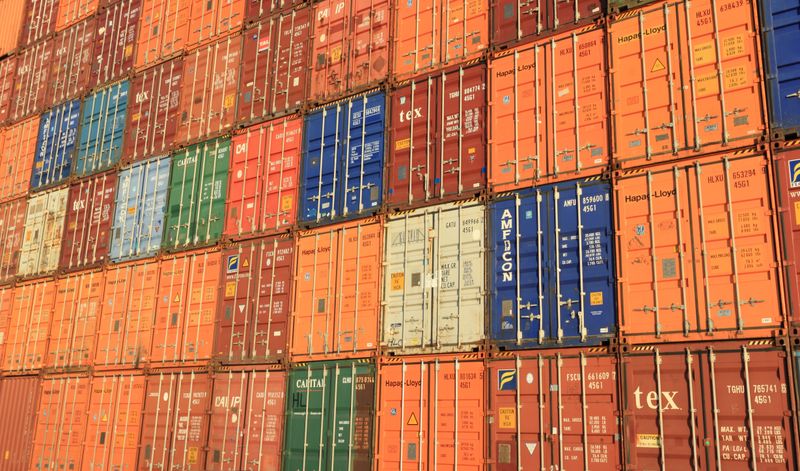
Tide gauges have been measuring sea level for over 200 years, evolving from simple wooden staffs to sophisticated automated system...
King tides are the highest high tides and lowest low tides of the year, occurring when the sun and moon align and come closest to ...
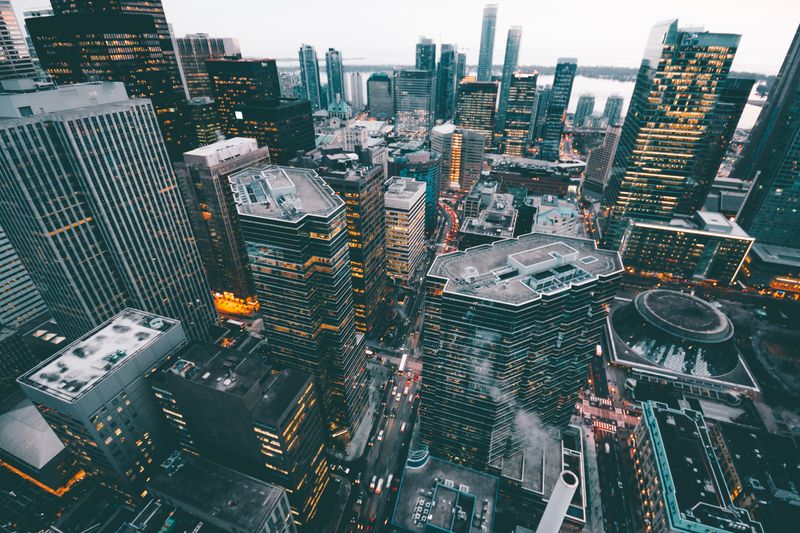
Coastal cities worldwide are implementing creative strategies to adapt to rising seas. Rotterdam has built water plazas that funct...